Insect Removal in Windsor, ON: A Local Pest Control Guide

How insect problems are widespread in Windsor
Windsor, Ontario has factors that can make insect activity harder to manage than many homeowners expect. The combination of humid summers, seasonal moisture swings, and the city’s location near the Detroit River creates an environment where pests can thrive around homes and commercial buildings. When warmth and moisture rise, insects find better conditions for feeding, breeding, and moving indoors.
Another major factor is the local building mix. Windsor and nearby parts of Essex County include plenty of older housing stock, where worn weatherstripping, gaps around utility lines, and aging foundations can create easy entry points. Many of these homes also have basements https://oakville-onbh011.wpsuo.com/leading-accommodations-in-windsor-on-downtown-riverfront-and-affordable-choices and attics that stay cooler, darker, and more humid than the rest of the structure, making them ideal shelter areas for crawling insects.
Insect pressure also changes with the seasons. Spring thaw can wake up overwintering pests and expose hidden moisture issues, while late-summer heat often pushes insects indoors in search of food, water, and shelter. A strong pest control Windsor strategy has to account for those local patterns, not just the pests themselves.
That is why effective insect extermination Windsor services focus on both removal and prevention. A good treatment addresses active infestation, but it also looks at sanitation, moisture, and exclusion so pests are less likely to come back.
Common insects pest control Windsor residents face
Houses and businesses in Windsor regularly deal with a familiar range of pests, each with distinct habits and risks. A customized approach matters because the best solution for one insect may do little for another.
Ants are among the most common concerns. They often appear in kitchens, along baseboards, or near foundation cracks as they search for food and water. In warmer months, ant trails can spread fast, especially where crumbs, pet food, or moisture are present.
Cockroaches are a further problem because they reproduce fast and tend to hide in confined, heated, and moist spaces. Kitchens, utility rooms, and basement storage areas are common hotspots. Their presence can indicate sanitation issues, plumbing leaks, or hidden voids that need attention.
Spiders are often found in quiet areas such as attics, basements, and garages. While many are harmless, their presence can signal that other insects are available as a food source. Reducing insect prey and sealing entry points are important parts of control.
Bed bugs are a especially challenging pest because they spread through luggage, furniture, and shared spaces. They are not tied to poor hygiene, and they can affect apartments, houses, hotels, and offices. Since bed bugs hide in seams, cracks, and furniture joints, professional inspection and a careful treatment plan are usually necessary.
Windsor properties also deal with wasps in milder weather, especially near rooflines, soffits, decks, and outdoor eating areas. And while not insects, mice are often mentioned in the same conversation because they can use the same access routes, compete for food, and worsen sanitation concerns. A comprehensive pest program usually considers both insect and rodent risks together.
Indicators you may need specialized insect extermination
Certain infestations are easy to spot, but numerous early indicators are easy to miss until the problem grows. If you see any of the following, it is the moment to look at professional help.
Droppings are one of the clearest signs of pest activity. Little black specks in cupboards, behind appliances, along baseboards, or in storage areas can indicate cockroaches or even mice. Since droppings can collect in hidden areas, they often reveal a more serious problem than what is visible on the surface.
Nests or nesting materials are another warning sign. Insects and rodents often build in quiet, undisturbed places such as wall voids, attic insulation, behind stored items, or around plumbing penetrations. Finding shredded material, clustered debris, or live insect activity around these spaces means the infestation has found a stable harborage area.
Property damage can also signal pests. Chewed packaging, damaged stored items, stained drywall, or weakened wood may suggest ongoing activity. In some cases, the damage is from insects feeding or nesting; in others, the issue may be moisture or secondary contamination caused by pests.
Egg cases are a major sign of breeding activity, especially with cockroaches and some other insects. Seeing egg cases or shed skins means the pest population is not just passing through; it is reproducing indoors. That usually calls for a fuller response than sprays alone.
If you are noticing these signs repeatedly, it is usually a sign that home treatments are not enough. At that point, a licensed technician can perform a proper property inspection and determine where the infestation is originating.
How local pest management treatments work
Skilled pest management is not just spraying a few areas and hoping for the best. The best pest control Windsor services use a structured process built around the actual pest, the building layout, and the cause of the infestation.
The process usually begins with a thorough inspection. A licensed technician checks kitchens, basements, crawl spaces, attics, utility runs, wall edges, and other vulnerable zones. They look for pest signs, moisture issues, structural gaps, food sources, and conditions that may support recurring pests.
Next comes a customized treatment plan. Depending on the pest, this may include baiting, residual treatment, dust applications, crack-and-crevice applications, traps, or exclusion work. For example, ants may require precise application along trails and nesting sites, while cockroaches often need a combination of baiting, sanitation improvements, and monitoring.
Modern programs often follow integrated pest management, which combines inspection, prevention, and treatment instead of relying on chemicals alone. This approach is especially useful in Windsor because properties vary widely, from older brick homes to newer suburban builds and mixed-use commercial sites. Integrated pest management focuses on reducing conditions that support infestation, such as food access, moisture, and gaps in the structure.
In many cases, treatment is paired with follow-up visits. These visits help confirm whether the population is dropping, whether new activity has appeared, and whether any adjustments are needed. Monitoring is especially important for bed bugs, cockroaches, and other recurring pests that may require more than one round of service.
Many modern services also aim to use non-toxic or lower-toxicity options where appropriate, especially in sensitive environments. A good plan balances effectiveness with safety, odor concerns, and the needs of the property.
Safe pest treatment for homes and businesses
Safety is a primary concern for families, landlords, property managers, and business owners. Proper insect control should protect both the space and the people using it. For homes, that means choosing treatments that are designed to be pet-safe and considerate of children and pets when applied properly by a professional.
In residential settings, technicians often recommend temporary preparation steps such as clearing access to cabinets, taking away food items, or keeping pets away from treated areas during service. Once the product has dried or dried as directed, the space can usually be used again. When applied correctly, many modern options are designed to be odorless or minimally disruptive.
For businesses, especially commercial kitchens, safety and compliance are even more important. Food preparation areas require careful handling, precise product placement, and documentation. Treatments should support workplace safety while minimizing disruption to operations. This is where experience matters, since the right product in the wrong location can create unnecessary risk.
Low-profile service is also important for retail stores, apartment buildings, offices, and hospitality spaces. Customers and employees do not want visible disruption, and many businesses need inspections or treatments scheduled outside peak hours. A professional approach balances effectiveness with low profile service and clear communication.
When a licensed technician chooses the treatment method, they should explain where products will be used, why those areas were selected, and how the plan fits the property’s risk level. Good service is not just effective; it is also transparent and carefully managed.
What affects pest control Windsor pricing
There is no standard rate for pest service because every infestment and property is different. Several factors influence what pest control Windsor residents and companies can expect to pay.
The first is infestation size. A small, initial problem is usually more straightforward and more affordable to treat than a widespread infestation that has spread through several rooms, wall voids, or shared spaces. Bed bugs, cockroaches, and ants can all become more expensive when the population is well established and harder to locate.
Property type also matters. Detached homes, duplexes, apartments, townhouses, restaurants, and warehouses all present different challenges. Older homes with complex layouts, finished basements, and unfinished attics may require more time for inspection and treatment than a less expansive, more open property.
The chosen treatment method affects pricing as well. A straightforward targeted application may cost less than a multi phase program involving baiting, residual treatment, monitoring, and exclusion. If the service includes follow-up visits, that may change the overall cost but can improve long-term results.
Recurrence risk is another major factor. Properties with repeated moisture issues, structural gaps, or neighboring pest pressure often need more ongoing attention. In Windsor, that can be especially relevant near older neighbourhoods, multi-unit buildings, and waterfront-adjacent areas influenced by the Detroit River and seasonal moisture.
It is often more cost-effective to address the root cause early than to wait until a recurring infestation requires multiple treatments. That is one reason a thorough inspection is so important before any work begins.
Prevention tips for Windsor properties
Being proactive is the best way to reduce recurring pests, especially in a city with heavy seasonal pest pressure and a varied selection of property types. Windsor homes and businesses are helped by practical steps that address the conditions pests need to survive.
Sealing entry points ought to be a top priority. Inspect windows, doors, vents, utility penetrations, foundation cracks, and garage doors. Even small gaps can let insects inside, especially during periods of seasonal pressure when pests are looking for shelter. Older homes in Windsor may need extra attention because aging materials often create multiple access routes.
Sanitation is equally important. Wipe up food spills quickly, store dry goods in sealed containers, and avoid leaving pet food out overnight. In kitchens, clutter and crumbs provide easy feeding opportunities for ants and cockroaches. In commercial settings, cleaning schedules and waste control can make a major difference.
Moisture control is one of the best defenses against insects. Repair leaks, dehumidify damp basements, improve ventilation in attics, and address condensation around pipes or appliances. Because Windsor experiences humid summers and waterfront moisture near the river corridor, even small damp spots can become attractive to pests.
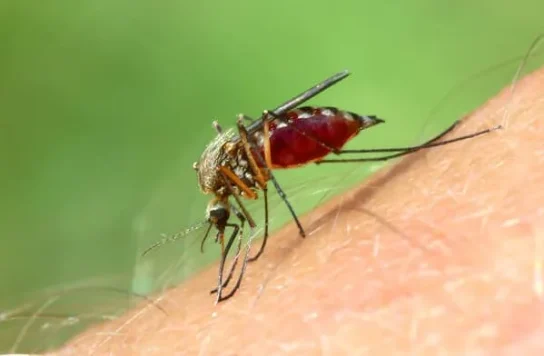
Seasonal maintenance matters too. Spring thaw is a good time to inspect the foundation, check drainage, and look for winter damage that opened new entry points. Late summer is another key period because many pests peak then and start moving indoors. Seasonal trimming, gutter cleaning, and exterior inspections can help reduce nesting and harboring spots around the property.
In short, prevention works best when it combines exclusion, sanitation, and moisture management. That approach supports both short-term control and long-term protection.
When to reach out to a Windsor exterminator
Some small pest problems can be handled with basic housekeeping, but certain situations need professional help right away. If you see quick spread of insects from one room to another, the infestation is likely spreading at a quicker pace than DIY methods can manage.
Repeated infestations are another strong signal. If ants return after baiting, cockroaches keep reappearing after cleaning, or bed bugs come back after treatment attempts, there is usually an underlying source such as hidden nesting, missed entry points, or untreated neighboring areas.
If pests are triggering allergic reactions, breathing discomfort, or skin irritation, do not wait. Cockroach debris, shed skins, and some insect fragments can aggravate symptoms, especially in sensitive individuals. Professional intervention can reduce exposure more reliably than surface-level cleanup.
DIY failure is also a clear reason to call in help. Over-the-counter sprays often mask the problem briefly without addressing the source. If you have tried traps, cleaning, sealing, and store-bought products with little success, a licensed technician can perform a deeper property inspection and build a more effective treatment plan.
For Windsor properties near the Detroit River, in older neighbourhoods, or in multi-unit buildings, a professional approach is often the fastest way to regain control. The earlier you act, the easier it is to stop the problem before it spreads.
FAQ about insect extermination in Windsor
How long does insect extermination take in Windsor?
The timeline depends on the pest, the size of the infestation, and the property type. A basic treatment may take a short visit, but more complex issues like bed bugs or severe cockroach activity can require inspection, a treatment plan, and follow-up visits. In many Windsor homes, especially those with basements or older layouts, service may also involve checking multiple access areas to make sure the infestation is fully addressed.
Is bug control safe for little ones and pets?
Certainly, when it is done correctly by a qualified technician using the correct products and methods. Many modern treatments are designed to be safe for pets when applied as directed, and some options are toxin-free or scent-free. Families should follow any preparation and re-entry instructions carefully so children and pets are kept away from treated areas until it is safe.
How much does pest control in Windsor usually cost?
The cost varies based on infestation size, property type, the treatment method, and recurrence risk. A small ant issue will usually cost less than a widespread bed bug or cockroach problem. Homes with difficult entry points, moisture concerns, or repeated infestations may need more extensive work. The best way to understand pricing is through an inspection and a tailored treatment plan.
What insects are most common in Windsor homes?
Common pests include ants, cockroaches, spiders, bed bugs, and wasps. Windsor’s humid summers, older housing stock, and moisture near the Detroit River can make these pests more active. In some properties, mice also become part of the same control conversation because they use many of the same entry points and can worsen sanitation concerns.
Do I need follow-up treatments after extermination?
Often, yes. Follow-up visits are important for monitoring, especially with recurring pests like bed bugs and cockroaches. They help confirm whether the infestation is dropping and whether any adjustments are needed. Follow-up service is also useful when a property has multiple harborage areas, ongoing seasonal pressure, or structural conditions that make re-entry more likely.
Mosquito Man Windsor
2485 Front Rd, LaSalle, ON N9J 2C5, Canada
+1 226-526-4711
https://maps.app.goo.gl/JwhSC65zfbLWNH6v7
https://mosquitoman.ca/pest-control/windsor/
42.2161228, -83.1003005